E.M.I. – The Moving Image
Our latest service, Experience Memory in Motion, is nothing less than a photo brought to life by AI.
This image can be:
- a portrait,
- a group photo,
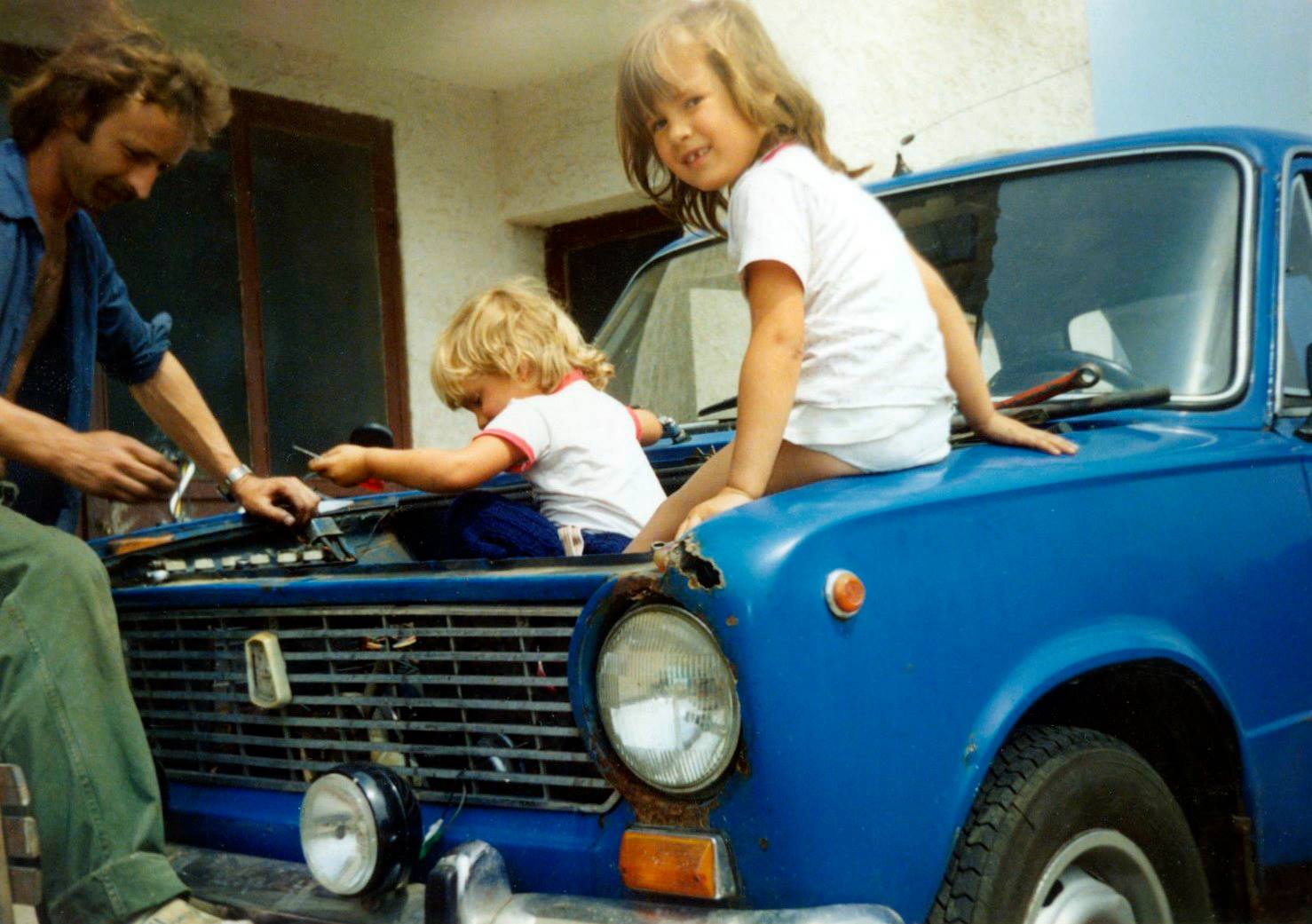
- a snapshot of a precious memory.
The possibilities are limited only by your imagination and the range of your memories.
Just imagine the feeling of seeing a loved one or a pet come to life in a moment that was previously only preserved in a still photo.
When you first see such a significant photo move, a whirlwind of emotions arises:
- Astonishment, as what you’ve known only as a silent image begins to live...
- Joy at seeing the movement, the familiar gaze, that tiny smile once again...
- Emotional connection that brings tears to your eyes, as a feeling thought to be lost becomes vivid again...
- Nostalgia, taking you back in time to a moment only your heart had kept...
- and often gratitude that this moment could happen once more – in any form.
This experience is more than technology. It is an encounter. A small miracle.
Technology with Heart and Soul
E.M.I. works with algorithms based on artificial intelligence that bring a photograph to life based on facial features, micro-mimicry, and lighting conditions.
Your data is safe. There is no automated sharing, and no personal information is stored.
See how a memory comes to life:
How we bring your memory to life
- Upload a photo
- Select the parameters for the moving image
- We process it using AI
- Within a few days, you receive the video for download
Here are some E.M.I. moving image samples:
Before and After
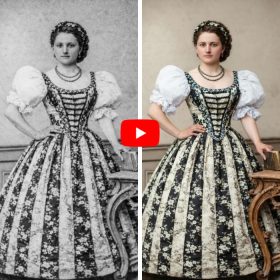
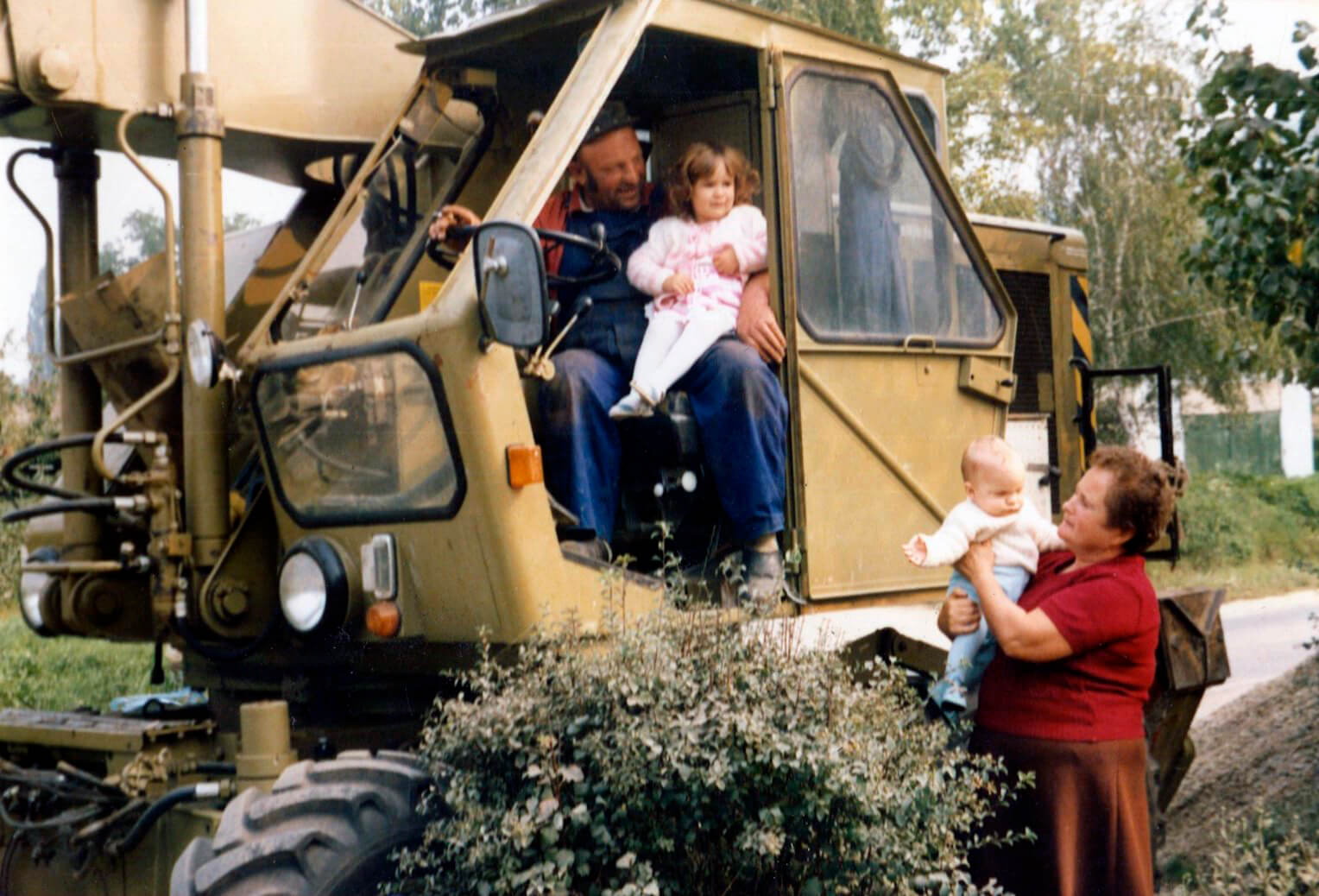
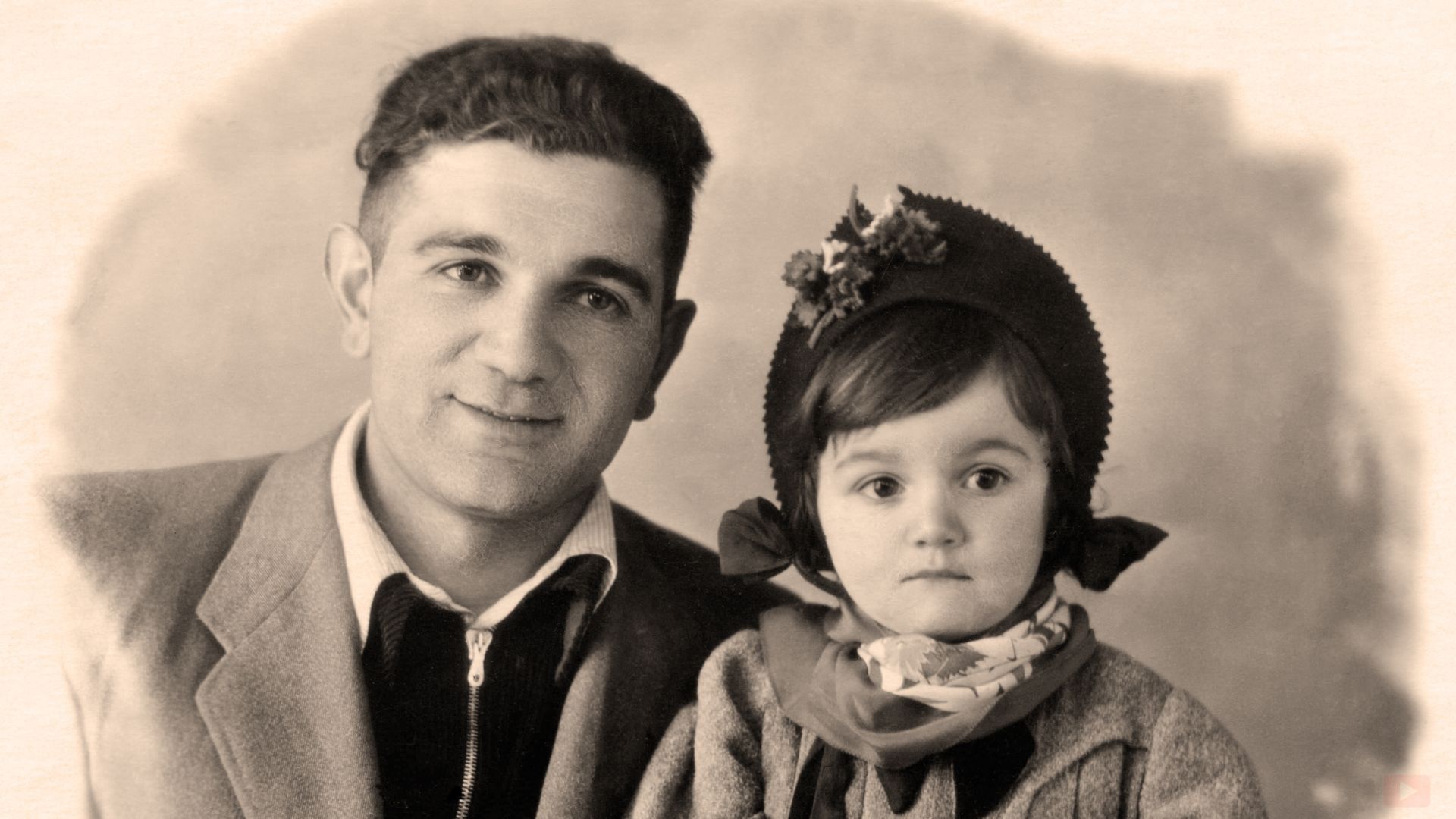
Watch how photos come to life. On the left is the original image, and on the right is the moving version generated by E.M.I.
Current Limitations of E.M.I.:
E.M.I. technology is impressive, but it’s important to know it’s still under development. Here are some characteristic technical and emotional traits you may encounter.
1. Lack of detail in the image
If the uploaded photo is blurry, low resolution, or shadowy, the AI has to "guess" certain facial features – so the result may not be entirely faithful to the original person.
2. Artificial movements
While the algorithm aims for lifelike mimicry, there may be stiff eye movements, strange eye flickers, or a smile that doesn't quite match the character.
3. Cultural biases
AI models trained on global databases sometimes idealize facial features or rejuvenate older subjects.
4. Movement limits
Currently, only 3–15 second videos are produced, and you can choose from pre-set movements like blinking, smiling, or head movement.
5. Strong emotional impact
Bringing a memory to life can be a moving, sometimes cathartic experience. Be prepared: this is not just a technological trick, but can be a real encounter with the past.
E.M.I. uses artificial intelligence to bring photos to life – and while the result is often stunning, it’s important to be aware of a few things:
- It’s not magic – but sometimes it feels like it. The AI algorithm tries to "guess" an authentic sequence of movements based on the facial features, light, and tiny details seen in the photo. The more detailed and clear the image, the more lifelike the final result.
- Sometimes strange, sometimes surprisingly alive. A particular eye movement, smile, or expression may occasionally feel a bit "computerized." This is part of the development of technology – it learns and evolves every day.
- We don’t change the essence – we just give it life. E.M.I. doesn’t create a new memory, but helps you re-experience an existing one. The goal is not perfection, but the experience and the connection.
If you have any questions about how it works, feel free to write to us – we’ll be happy to answer.
Remember!
The moving image generated by E.M.I. can evoke strong emotions. Many are deeply moved when they see the face of a lost relative in motion for the first time. This is natural – and it always reminds us why we do this work.
Please keep these points in mind when bringing your photo to life!